Morning Fuel for a Sharper Mind: How Your First Meal Shapes Your Gut, Brain, and Energy — Backed by Science
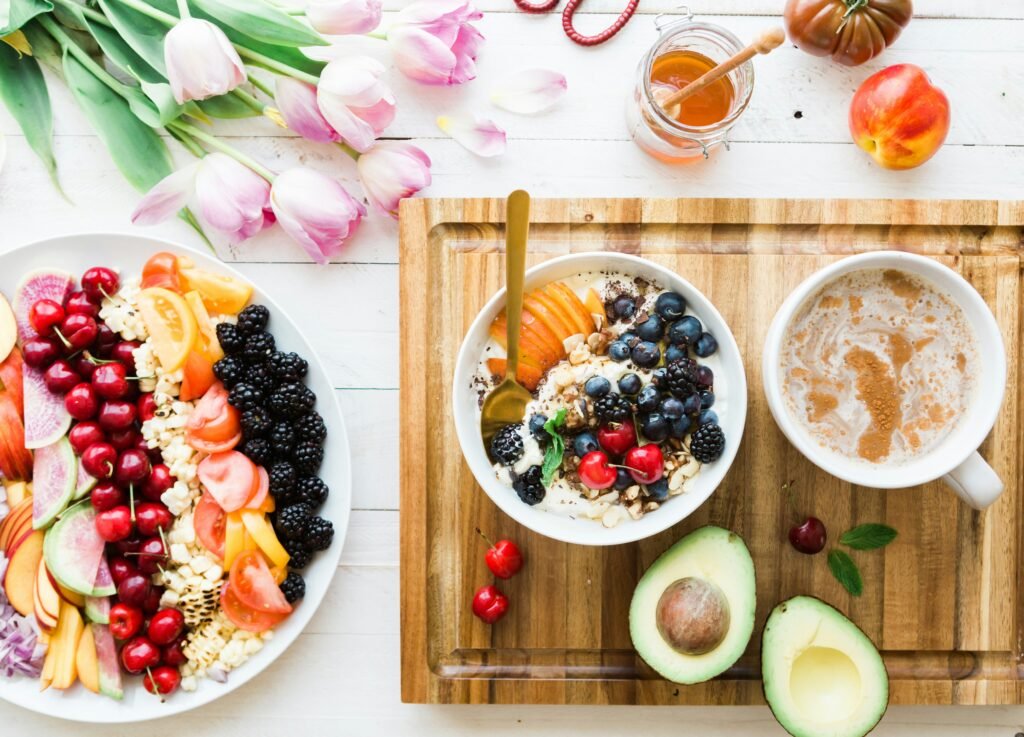
The First Bite Sets the Tone
Your morning doesn’t start with coffee — it begins with the first biological signal you send to your body. That signal can steer your day toward clarity, calm energy, or toward fatigue, cravings, and digestive discomfort.
Recent research continues to affirm that the first meal of the day acts as a reset — influencing the gut microbiome, hormonal rhythms, and brain function. For instance, a 2023 meta-analysis in Frontiers in Nutrition highlights how meal timing alignment with circadian rhythms supports metabolic health, weight balance, and insulin sensitivity.
“Your breakfast should be a signal to your body — not a burden.”
At HBY, we adopt that as our guiding principle. What you eat, and when, is dialog with your biology — not merely fuel.
Step One: Rehydrate Before You Nourish
Before your first bite, your body needs minerals and water. Overnight, you lose fluid via breath and sweat, and your digestive system is still inactive. Introducing solid food too early can overwhelm the system.
A 2024 clinical trial in the Journal of Clinical Endocrinology & Metabolism found that even mild dehydration adversely affects cognitive performance and elevates morning cortisol levels. This suggests that many morning sluggishness complaints are hydration-related.
What to do first
- Drink a glass of filtered or mineral water.
- Add a pinch of
Celtic Sea Salt,
Baja Gold Salt
or
Baja Gold Liquid Trace Mineral Drops
to replenish trace minerals. - (Optional) Squeeze in lemon juice for detox support.
Then, wait at least 20 minutes before eating. This gives your stomach acid time to concentrate and digestive enzymes to activate. According to Harvard Health, consuming solid foods before appropriate gastric preparation often leads to bloating, slow digestion, and nutrient malabsorption.
The Updated Science Behind the “30/30/30” Rule — HBY’s Balanced Interpretation
Gary Brecka’s 30/30/30 Rule — 30 grams of protein within 30 minutes of waking, then light movement — is rooted in physiology. Protein early in the day helps stabilize blood glucose and stimulates neurotransmitter function.
A 2024 randomized trial in the American Journal of Clinical Nutrition demonstrated that participants who consumed ~30 g protein at breakfast had significantly lower evening cravings, improved concentration, and reduced insulin spikes compared to lower-protein breakfasts.
Yet, many interpret the rule too rigidly. Eating immediately after waking (before hydration) tends to dilute gastric acid and impede digestion.
HBY version: Hydrate first. Wait 20 minutes. Then consume ~30 g of clean protein within the following 30 minutes.
Three Science-Backed Morning Structures
Below are three nutritional templates (not full recipes), each serving a unique physiological aim — metabolic reset, balanced digestion, and detox clarity.
Option 1 — High-Protein / Low-Carb (Metabolic Reset)
Foods to include:
- Pasture-raised eggs
- Chicken or turkey breast
- Wild-caught salmon or sardines
- Feta or goat cheese
- Avocado
- Olive oil, ghee, or coconut oil
- Greens (arugula, spinach, kale)
- Berries (blueberries, raspberries, blackberries)
Why it works: A 2025 meta-analysis in Nutrients confirmed that morning protein significantly enhances satiety hormones (PYY, GLP-1) and reduces post-meal glucose peaks. Combined with healthy fats, this approach maintains steady energy and limits insulin fluctuations.
Option 2 — Balanced Breakfast (Sensitive Digestion & Hormonal Harmony)
Foods to include:
- Gluten-free oats
- Kefir or Greek yogurt (live cultures)
- Quinoa
- Chia seeds, flaxseeds, pumpkin seeds
- Banana, pear, or papaya
- Spices (cinnamon, ginger, cardamom)
- Coconut or almond milk
- Berries (strawberries, blackberries)
Why it works: A 2023 chrononutrition study in Frontiers in Nutrition showed that mixed macronutrient breakfasts timed with circadian rhythm support gut microbial diversity and reduce postprandial glucose stress. This style also moderates hormonal swings and protects digestion.
Option 3 — Plant-Based Gut Support (Detox & Brain Clarity)
Foods to include:
- Spinach, kale, cucumber, celery
- Avocado
- Plant-based protein (pea, hemp, rice)
- Chia or hemp seeds
- Lemon, turmeric + black pepper
- Spirulina or chlorella
- Coconut water
- Fermented items (miso, sauerkraut, kimchi)
Why it works: A 2024 review in Frontiers in Microbiology showed that plant polyphenols and fermentable fibers support short-chain fatty acid (SCFA) production, which enhances gut barrier function — crucial for gut-brain signaling and reduced inflammation.
Timing Matters: Syncing With Your Internal Clock
Your digestive system is governed by circadian biology — eating too early or too late can disrupt hormone release, enzyme activation, and metabolic balance.
A 2023 study in Journal of Clinical Investigation found that subjects who consumed consistent early meals (within a 10-hour eating window) had improved glucose regulation and mitochondrial function. Conversely, irregular timing increased metabolic stress.
| Time (example) | Action | Purpose |
|---|---|---|
| 7:00 AM | Hydrate with minerals | Replenish electrolytes & trigger metabolism |
| 7:20–7:30 AM | Protein-rich meal | Align with cortisol peak & fuel brain |
| 8:00 AM | Light movement | Improve blood flow and nutrient delivery |
From Routine to Ritual
Morning nutrition isn’t about discipline alone — it’s a conversation with your body. Every sip, pause, and bite should support alignment between your gut, brain, and energy systems.
Brecka’s insights offer a powerful framework; HBY adds a digestive-first perspective and the flexibility to personalize. Test, listen, adapt.
Explore our Gut-Friendly Breakfast Bowl — a practical demonstration of how these principles can work in harmony, not rigidity.
Mineral Hydration — HBY Picks
Mineral Hydration — HBY Picks
Celtic Sea Salt
•
Baja Gold Salt
•
Baja Gold Liquid Trace Mineral Drops
Affiliate links. Thank you for your support.
HealthBeautyYou independently selects and recommends products we trust. If you make purchases through our Amazon links, we may earn a small commission — at no extra cost to you. Your support helps us continue creating high-quality wellness content.